
AI and the Future of Design Leadership: Key Takeaways from the IIDA Leadership Forum
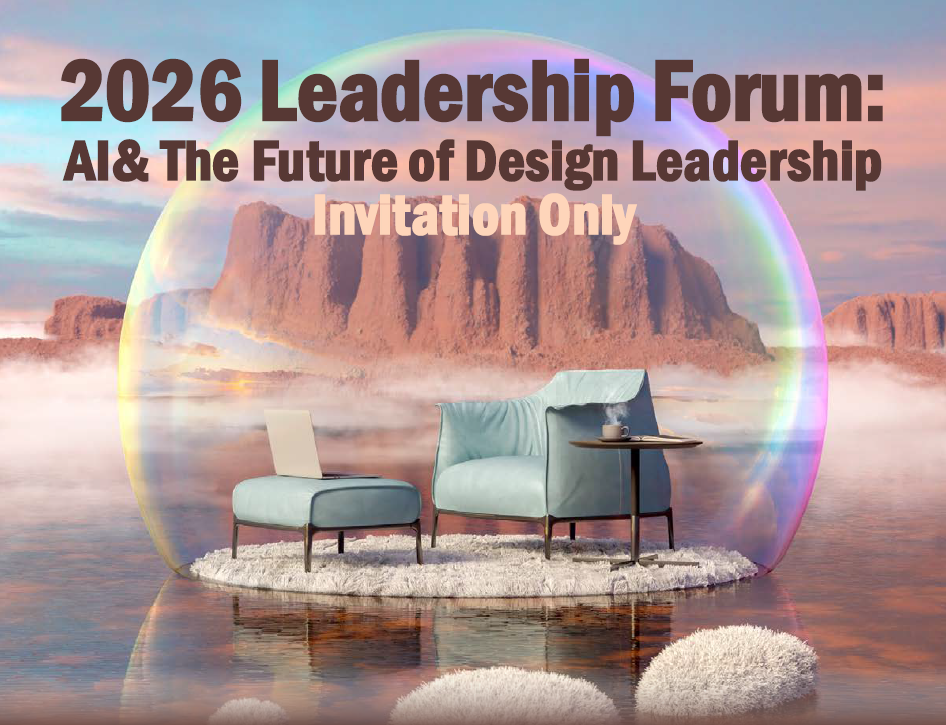
Artificial intelligence is no longer a future conversation. It is actively reshaping how we design, lead, and deliver value.
At this year's IIDA Leadership Forum, our Principal, Claudine Begay, joined design leaders from across the country to discuss how AI is transforming the profession. The conversation made one thing clear: AI is changing the way we work, but it is not replacing the expertise, judgment, and leadership that define exceptional design.
AI offers tremendous opportunities to support the design process. It can strengthen research, assist with programming, analyze data, explore early design concepts, and improve workflow efficiencies. When used strategically, these tools allow designers to focus more of their time on creative problem-solving, collaboration, and delivering thoughtful solutions for clients.
The forum also emphasized that AI is not a substitute for professional expertise. Every AI-generated idea or recommendation requires critical thinking, design knowledge, and human judgment to evaluate its accuracy, context, and applicability. Designers remain responsible for the decisions they make, the quality of the work they deliver, and the trust they build with their clients.
As AI continues to evolve, our industry must also consider the broader implications of its use. Questions surrounding confidentiality, copyright, accountability, and data security continue to influence how AI can be integrated into practice, particularly on public and government projects. Design leaders also discussed the importance of preserving mentorship, collaboration, and knowledge sharing, recognizing that meaningful professional growth still happens through conversation, observation, and hands-on experience.
Perhaps the most important takeaway was that clients do not hire designers simply because technology can produce work more quickly. Clients invest in experience, strategic thinking, creative problem-solving, and trusted leadership. AI can accelerate certain tasks, but it cannot replace the insight, empathy, and human connection that shape successful design outcomes.
As our profession continues to evolve, we believe the future of design leadership will be defined by firms that embrace innovation while remaining grounded in the principles of thoughtful design. AI is a powerful tool, but it is our expertise, creativity, and commitment to our clients that will continue to set our work apart.